The Sublimation Process Explained
Dye sublimation printing begins with specialised transfer films that contain dye-based pigments. These pigments are arranged either as a single multi-layered film or as separate colour layers, typically cyan, magenta, yellow, and black or grey.
Because the films contain the pigments themselves, they may appear red, blue, green, or grey before printing begins.
1. Design Preparation
Artwork is prepared digitally with accurate colour management to ensure consistent results during transfer.
2. Printing onto Sublimation Film or Paper
The design is printed using dye sublimation inks onto specialised sublimation transfer media.
3. Heat Activation
Under controlled heat and pressure, the dyes are heated by the press. This causes the pigments to transition directly from a solid state into a gas.
4. Sublimation Phase
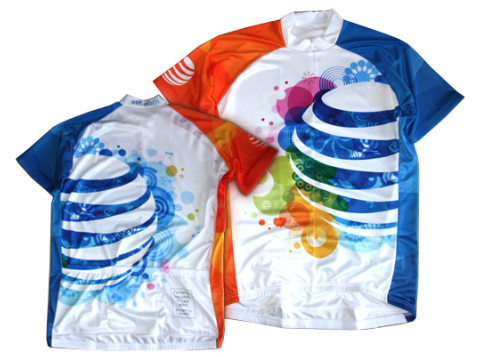
This gas penetrates the polyester fibres of the fabric. As the material cools, the dye re-solidifies inside the fibres themselves.
5. Permanent Bond
Because the dye moves from solid to gas and back to solid, it forms a permanent bond with the fabric, rather than sitting on the surface.
This process is what gives dye sublimation its name. The transition from solid to gas without becoming liquid results in clean, precise printing with no ink residue, cracking, or texture.
IMPORTANT NOTES:
Best on white or light 100% polyester fabrics
Not suitable for cotton or dark garments